
9 Signs of a Blown Diesel Engine You Shouldn't Ignore
Last Updated: November 13, 2026
Quick Summary
Signs of a blown diesel engine include excessive oil consumption, oil sludge or metal shavings, coolant loss with bubbles and overheating, blue or white exhaust smoke, engine knocking, and high crankcase blow-by. Diagnostic tests like compression, coolant combustion gas, and blow-by testing confirm internal damage. If tests show worn bearings, rings, and cylinder walls, an overhaul is the honest answer.
Most diesel manufacturers consider oil consumption up to roughly one quart per 1,000 miles acceptable on a healthy engine.
Park over clean cardboard overnight: fresh drips point to a seal or gasket, while no drips with a falling dipstick points to burning oil.
A combustion-gas test with color-changing fluid at the radiator neck confirms exhaust gas is entering the coolant.
Blue smoke that never clears means oil is reaching the combustion chamber, while black smoke under load is usually a fuel or air problem.
A manometer blow-by test at the crankcase vent measures pressure directly, and high pressure confirms worn rings.
Is your diesel engine blown or repairable?
Big Rig Truck Repair runs advanced diagnostics and explains every finding before any repair begins.
Table of Contents
1. Excessive Oil Consumption: When the Dipstick Tells You Something's Wrong
A diesel engine that suddenly drinks oil is telling you something serious. Signs of a blown diesel engine often start here, at the dipstick, long before the truck quits on the shoulder.
Normal oil use varies by engine and load.
Watch for these clues:
You add oil between changes, then weekly, then daily
The exhaust leaves a faint blue haze at idle or on deceleration
Oil pressure runs low on the gauge at hot idle
The engine bay shows fresh oil film or drips
The oil level sensor or low-oil warning triggers between services
Where the oil actually goes. Oil leaves a diesel engine by four main paths, and only some mean the engine is blown:
External leaks, valve cover gaskets, oil cooler seals, front and rear main seals, and turbo oil feed and drain lines. These drip or mist onto the engine and ground. A leak is a repair, not a rebuild.
Worn piston rings and cylinder walls, oil passes the rings into the combustion chamber and burns. This is the classic blown-engine path, and it usually comes with blow-by and low compression.
Worn valve guides and seals, oil seeps down the valve stems, often showing as a blue puff at cold start or after idling that clears once you drive.
Failed turbo seals, oil enters the intake or exhaust through the turbocharger. This can mimic ring wear, so inspect the turbo before condemning the engine.
Watch out: A common mistake is topping off oil and calling it fixed. Oil has to go somewhere.
How to tell a leak from a burn. Park over clean cardboard overnight. Fresh drips point to a seal or gasket.
Check the dipstick cold, on level ground, every fuel stop until you know the trend.
2. Oil Sludge and Metal Shavings: Reading the Warning Signs in Your Engine Oil
Your engine oil is a diagnostic report you can read with your own eyes.
Oil sludge is thick, dark, gel-like contamination that blocks oil passages and starves bearings. It usually comes from stretched oil change intervals, short stop-and-go runs, or a failing cooler.
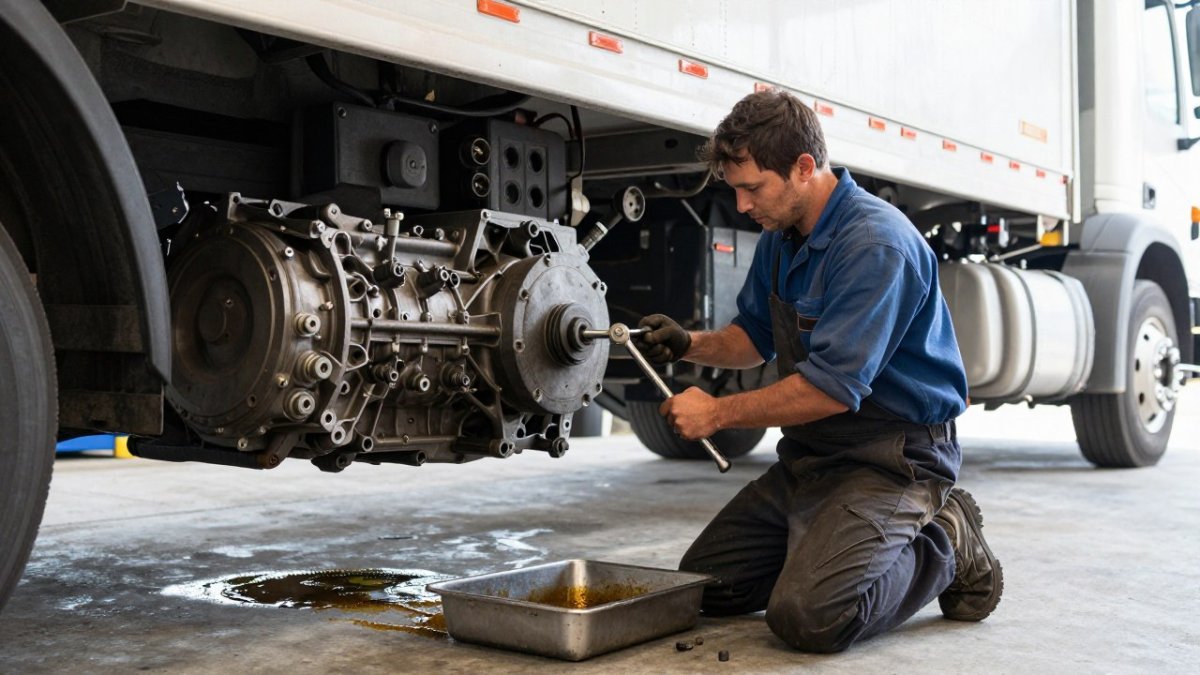
Metal shavings are worse. Glitter in the drain pan means bearings, cam lobes, or cylinder walls are wearing away. Fine dust is early wear. Chunks or flakes mean damage is already happening.
Pull a sample at every oil change and look at it in good light:
Milky or foamy oil points to coolant mixing in
A strong fuel smell means injectors are leaking into the crankcase
Brass or copper color suggests bearing material
If you find metal, stop running the truck hard and get it looked at.
3. Coolant Loss, Bubbles, and Overheating: Diesel Engine Overheating Symptoms That Point to Internal Damage
Oil analysis: metal or coolant in oil confirms internal wear
Compression test: low or uneven readings mean worn rings or a bad valve
Coolant combustion gas test: color change confirms a head gasket leak
Blow-by test: high crankcase pressure confirms ring wear
Turbo inspection: shaft play and oil in the piping point to turbo failure
Scan tool codes: boost, misfire, and fuel codes narrow the cause
Read the results together, not alone. One low reading can be a fluke. A pattern confirms the diagnosis.

If your tests point to internal engine damage, get 24/7 big rig repair and mobile truck repair from our certified technicians.
The repair-versus-rebuild call depends on how much damage the tests show. If the block, crank, and heads are sound, a targeted repair works.
A blown diesel engine rarely fails without warning. The signs build over time, and the owners who catch them early save the most money.
Frequently Asked Questions
How can you tell if a diesel engine has blow-by?
The most reliable check is the oil filler cap test. With the engine idling, loosen the cap and set it back on the filler neck. If it dances or gets pushed off by pressure, you likely have diesel engine blow-by symptoms. You may also see oil mist escaping, a heavy film around the breather, or blue smoke from the dipstick tube. Blow-by means combustion gases are slipping past the piston rings, which points to internal engine wear. A compression and cylinder leak-down test confirms how bad it is before you commit to repairs.
What are the first signs of a blown diesel engine?
Early warnings usually show up as excessive oil consumption, coolant loss without a visible leak, and smoke that doesn't clear after warm-up. You may notice sluggish acceleration, rough idle, hard starting, or a check engine light with a misfire code. Unusual noises like knocking or clanking are later-stage signs. Catching these early matters because a blown diesel engine often starts as a smaller fault, such as a failing injector or turbo, that turns into major internal damage if ignored.
Can a diesel engine be repaired after it blows?
Sometimes. A full engine rebuild or overhaul can restore a blown diesel engine if the block and crankshaft are still serviceable. If the block is cracked or a cylinder wall is deeply scored, replacement may be the only option. The decision comes down to diagnostic results, the truck's value, and your downtime tolerance. A compression test, oil analysis, and visual inspection of the cylinder walls tell you which path makes sense.
How much does a diesel engine overhaul cost?
Diesel engine overhaul cost depends on the engine model, how much internal damage exists, and whether you need a rebuild or a full replacement. Pricing varies widely by parts availability and labor hours, so there's no single figure that applies to every truck. Contact Big Rig Truck Repair for a quote. For fleet operators, compare any overhaul quote against the truck's remaining service life and replacement cost before deciding.

Comments